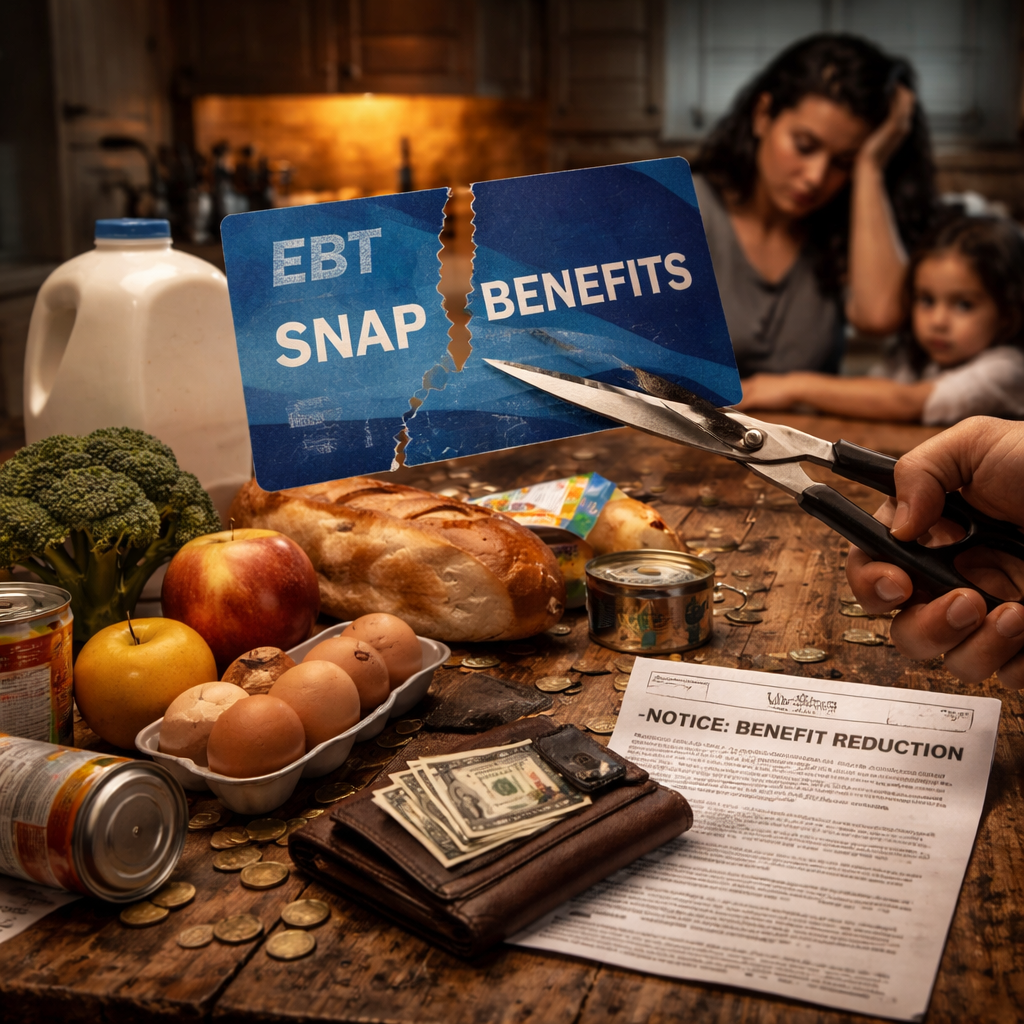
The House Agriculture Committee advanced the Farm, Food, and National Security Act of 2026 in early March, targeting a floor vote before April 5. The bill proposes a 20% cut to SNAP funding, the primary federal food assistance program for 42 million Americans, along with nearly $100 million in cuts to conservation technical assistance. NYS Governor Hochul’s office has quantified the New York-specific impact: $1.2 billion in annual SNAP benefit costs shifted to New York State, 400,000 New Yorkers at risk of losing eligibility from new work reporting requirements and immigrant restrictions, and up to $900 million in lost revenue for 18,000 SNAP retailers statewide, including local farm stands and farmers’ markets.
The WNY dimension extends in both directions of the food system. Buffalo has one of the highest food insecurity rates of any major U.S. city, with FeedMore WNY already operating near capacity. A 20% SNAP cut would directly reduce food purchasing power for the region’s most vulnerable households and drive increased demand at food banks that cannot absorb it. Simultaneously, WNY’s agricultural economy: Erie, Niagara, Orleans, Genesee, and Wyoming counties, would lose SNAP-driven retail revenue and the Double Up Food Bucks matching dollars that make direct farm-to-consumer sales economically viable for small producers.
Details
Last Updated:
3/2026
Main Drivers:
- House reconciliation legislation targeting SNAP as a major source of federal budget savings
- New work reporting requirements and immigrant eligibility restrictions reducing SNAP participation among vulnerable populations
- Double Up Food Bucks federal matching dollars at risk, undermining WNY’s farm-direct purchasing infrastructure
- FeedMore WNY and partner food banks already at or above capacity before any SNAP cuts take effect
- Conservation technical assistance cuts compounding water quality challenges in WNY’s agricultural tributaries to Lake Erie
Latest News: