
Near-term · 2026–2031
Probable
Legacy Industrial Waste Destabilizes Real Estate
Rust Belt Reinvention · Culture & Identity · Scanned 2026-08-12
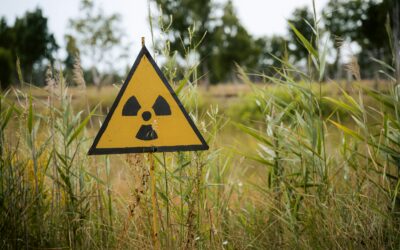
The re-emergence of legacy industrial contamination, specifically radioactive slag used as construction fill, is creating a systemic crisis for property owners and local governance. Recent investigations by the EPA and DEC have identified hundreds of hotspots in residential yards, playgrounds, and commercial sites, stemming from mid-20th-century industrial byproducts. This discovery invalidates decades of land-use assumptions and places significant financial burdens on current owners who face staggering remediation costs ranging from hundreds of thousands to millions of dollars.
Beyond immediate health concerns, this signal indicates a long-term destabilization of the local real estate market. Properties identified with contamination face immediate devaluation, difficulty securing financing for redevelopment, and complex legal hurdles regarding liability waivers. The expansion of testing into new areas suggests that the scope of the industrial slag distribution is broader than previously documented, potentially leading to mass demands for resident relocation and federal Superfund designations as the community grapples with its Manhattan Project-era legacy.
Main Drivers
Legacy industrial waste disposal
Federal environmental oversight expansion
Real estate liability concerns
Projected Scenarios
Plausible
Widespread Contamination Triggers Regional Housing Collapse
Federal Superfund designations expand rapidly across the Black Rock and Riverside corridors, effectively freezing real estate transactions. Major lending institutions cease issuing mortgages for properties within a three-mile radius of the Niagara River, forcing a localized flight from historical homeownership models.
Buffalo experiences a dramatic reversal of its recent population growth as property wealth is wiped out by sudden, uninsurable remediation liabilities.
Possible
Advanced Geospatial Mapping Safely Contains Liability
Public-private partnerships deploy advanced soil-sensing technology that precisely maps slag boundaries, allowing for targeted, low-cost remediation rather than whole-neighborhood condemnation. Local authorities establish a state-backed insurance fund that stabilizes home values by decoupling individual homeowners from historical industrial liability.
Buffalo transforms a potential crisis into a global case study for safe, data-driven urban brownfield reclamation.
Probable
Stagnant Remediation Becomes Buffalo’s New Normal
Sporadic discoveries of industrial waste continue to surface in backyards from Tonawanda to South Buffalo, leading to slow-moving legal battles and inconsistent property value shifts. Prospective buyers treat environmental reports as a standard, albeit tedious, component of closing costs, while the region remains locked in a pattern of incremental, site-by-site cleanup.
Buffalo remains burdened by a persistent ‘environmental tax’ on development that discourages large-scale outside investment.
Possible
Radioactive Waste Becomes New Construction Commodity
Local researchers discover a breakthrough biochemical process that neutralizes radioactive slag, turning toxic fill into a stabilized, inert aggregate for new civil engineering projects. The city pivots to capitalize on this, rebranding itself as the global hub for heavy-metal extraction and soil rejuvenation technology.
Buffalo reverses its industrial curse, turning the legacy of its manufacturing past into a cutting-edge, high-export environmental restoration industry.
Sources & Links
Buffalo Signals Laboratory · Rust Belt Reinvention