
Near-term · 2026–2030
Probable
Long-Distance Rail Infrastructure Development Delays
Transportation & Mobility · Place & Environment · Scanned 2026-08-13
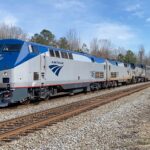
The postponement of the highly anticipated 72-hour transcontinental rail service from Los Angeles to New York signals persistent systemic friction in the modernization of the United States’ passenger rail network. Despite the project’s goal to provide a sustainable, scenic alternative to domestic air travel, the delay highlights ongoing challenges in reconciling aging infrastructure with high-capacity service goals. This setback suggests that the immediate transition toward a robust, national intercity rail system is encountering significant logistical or regulatory bottlenecks. For the Buffalo-Niagara region, this delay functions as a stall in the anticipated revitalization of Western New York’s role as a primary rail gateway. As a critical junction for routes connecting the East Coast to the Midwest, WNY relies on national rail expansion to drive passenger throughput at local stations and stimulate transit-oriented development. The inability to maintain schedules for coast-to-coast projects indicates that the regional benefits—such as increased tourism and enhanced connectivity to the NYC and Chicago hubs—will remain unrealized in the immediate term.
Main Drivers
Freight and passenger rail coordination conflicts
Aging national track infrastructure
Complex regulatory and multi-state oversight
Demand for low-carbon travel alternatives
Projected Scenarios
Plausible
National Rail Integration Fast-Tracks Buffalo Growth
Federal investment surges into the Empire Corridor, upgrading the Exchange Street Station into a premier multimodal transit hub. Local developers initiate high-density, mixed-use projects in the Cobblestone District, catering to an influx of regional passengers and tech-commuters traveling between NYC, Toronto, and Chicago.
Buffalo cements its status as a vital Midwestern-Northeastern logistics node, driving unprecedented levels of tourism and property value appreciation in the urban core.
Possible
Transcontinental Rail Ambitions Abandoned Nationwide
The federal rail overhaul initiative collapses, leading to a permanent shift toward regional budget cuts for Amtrak. WNY sees the decommissioning of aging local spurs, forcing the city to refocus its transportation budget entirely on bus-rapid transit and local arterial road maintenance.
Buffalo loses its historic identity as a rail-centric city, forcing a painful pivot away from transit-oriented revitalization and toward car-dependent suburban planning.
Probable
Persistent Stagnation of WNY Rail Connectivity
Delays become the new normal as Buffalo continues to grapple with the same infrastructure limitations that have plagued the Exchange Street and Depew stations for decades. Passenger numbers remain sluggish, with rail travel viewed as a niche alternative to driving on the I-90 rather than a viable economic driver.
Buffalo misses out on transformative growth opportunities, maintaining a status quo defined by moderate regional connectivity while regional neighbors surpass our transit capabilities.
Possible
Private Hyperloop Initiative Bypasses Traditional Rail
A tech consortium abandons legacy rail projects to pilot a private high-speed vacuum tube system connecting Buffalo directly to the NYC metro area. The project utilizes underused industrial land in the First Ward, completely upending existing transit planning models and regional land-use strategies.
Buffalo undergoes a radical and disruptive economic transformation, shifting from a rust-belt logistical hub to a high-speed peripheral tech suburb of New York City.
Sources & Links
Buffalo Signals Laboratory · Transportation & Mobility