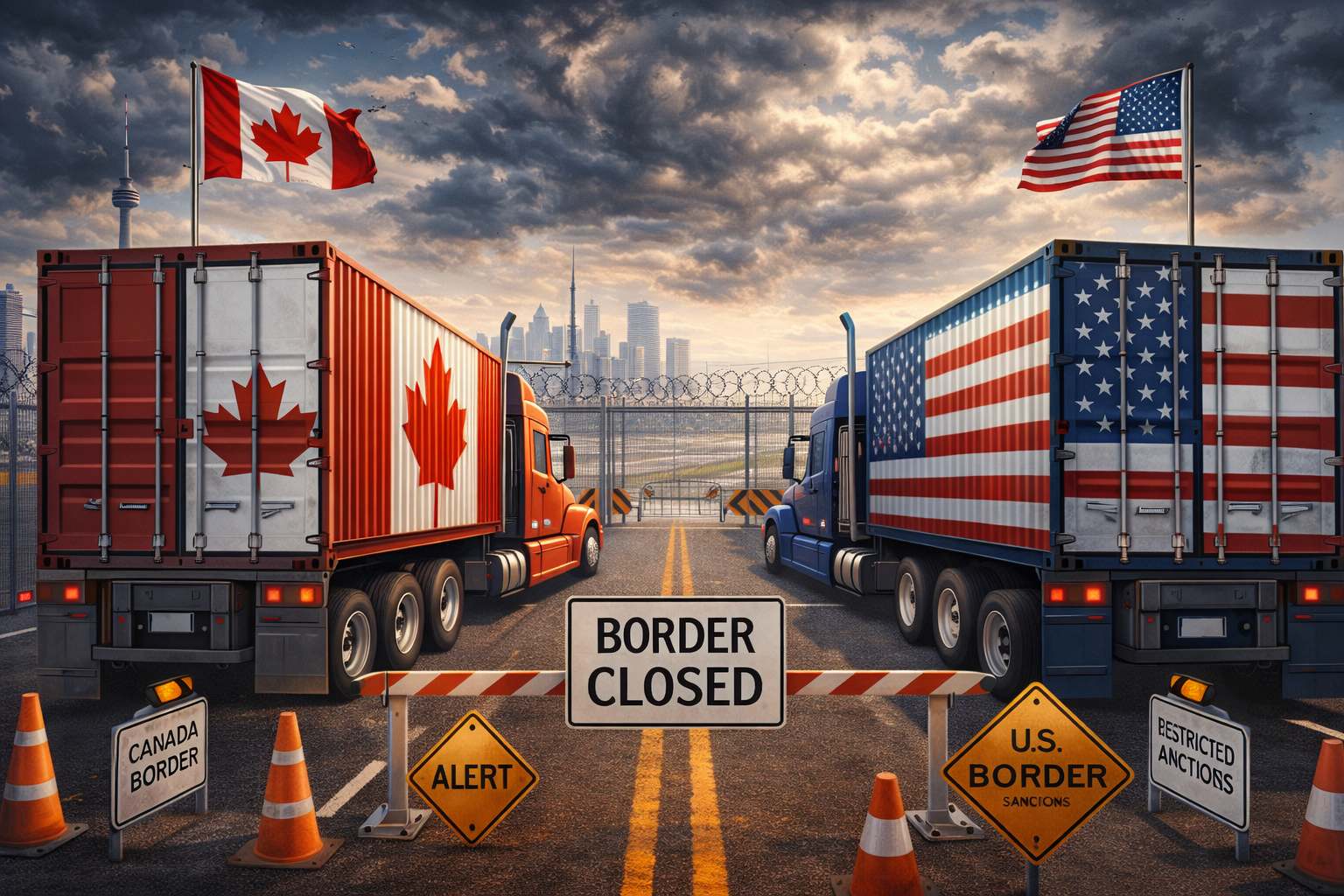
Even after the Supreme Court struck down IEEPA tariffs on 2/20/26, Canadian consumer sentiment has not softened. Leger polling shows Canadians remain “adamant about not supporting the USA in any shape or fashion.” Canadian bookings at U.S. mountain destinations sank more than 45% in January 2026 compared to the same month a year prior. An estimated $4 billion in annual U.S. tourist revenue is at risk of permanent loss. The trade war has triggered a broader economic identity shift in Canada: domestic sourcing, European trade diversification, and a new vocabulary of economic sovereignty (“elbows up”) that has moved from political rhetoric to purchasing behavior at scale.
For Buffalo, this is the signal that transcends the tariff policy debate. Cross-border economic relationships are not purely price-sensitive — they are also trust-sensitive. Canadians who feel politically unwelcome in the United States are making rational choices to spend elsewhere, and those habits are being built into new routines. Even if tariffs resolve, the relational and reputational damage will take years to repair. The 975,000-trip drop in Canadian visitors to WNY is not just a demand shock, it is the beginning of a structural realignment in who WNY’s economy serves.
Details
Last Updated:
2/27/26
Main Drivers:
- Canadian national identity coalescing around economic defiance of the U.S., transcending individual political positions
- Habit formation during the boycott period; new domestic shopping patterns, alternative travel destinations, proving sticky even after tariff partial relief
- Canadian business investment diversification away from U.S. supply chains accelerating in parallel with consumer shifts
- USMCA uncertainty prolonging the economic disruption beyond what temporary tariff policy alone would produce
- WNY’s geographic and economic dependency on Canadian visitors creating asymmetric exposure
Latest News: